

By Tracy Newby Jr.
The chain reaction of grief, addiction, and unresolved trauma
In communities where addiction runs deep, tragedies rarely happen in isolation. One loss almost always carries another in its shadow — not because of fate, but because of how grief, desperation, and untreated pain feed into the same cycle.
Butch’s Final Months
Butch was already on the losing end of his fight. He couldn’t see his children with Britney. He was living in a motel with a new girlfriend and their newborn son. His life had narrowed to the four walls of a rented room and the next hit that might numb the pain.
When Josh — Butch’s own nephew — took all of his rent money, it was the final blow. Butch was staring down eviction, the loss of his new family, and the familiar, crushing weight of addiction. The walls that had been closing in finally pressed too tight. Days later, Butch took his own life.
Josh’s Spiral
Josh had been in trouble before. Months earlier, he and another close friend broke into the roofing warehouse owned by Brett — Butch’s brother-in-law — and stole every tool inside. They managed to flee the scene, but Josh was caught on camera.
Josh’s wild streak had roots. We called him “baby brother” even though he was Butch’s nephew. He’d grown up in the shadow of violence, having watched Butch’s younger brother get shot in the neck when he was still a boy. It was the kind of trauma that doesn’t fade — it just burrows in deeper with time.
From Jail to the End
By Tracy Newby Jr.
The chain reaction of grief, addiction, and unresolved trauma
In communities where addiction runs deep, tragedies rarely happen in isolation. One loss almost always carries another in its shadow — not because of fate, but because of how grief, desperation, and untreated pain feed into the same cycle.
Butch’s Final Months
Butch was already on the losing end of his fight. He couldn’t see his children with Britney. He was living in a motel with a new girlfriend and their newborn son. His life had narrowed to the four walls of a rented room and the next hit that might numb the pain.
When Josh — Butch’s own nephew — took all of his rent money, it was the final blow. Butch was staring down eviction, the loss of his new family, and the familiar, crushing weight of addiction. The walls that had been closing in finally pressed too tight. Days later, Butch took his own life.
Josh’s Spiral
Josh had been in trouble before. Months earlier, he and another close friend broke into the roofing warehouse owned by Brett — Butch’s brother-in-law — and stole every tool inside. They managed to flee the scene, but Josh was caught on camera.
Josh’s wild streak had roots. We called him “baby brother” even though he was Butch’s nephew. He’d grown up in the shadow of violence, having watched Butch’s younger brother get shot in the neck when he was still a boy. It was the kind of trauma that doesn’t fade — it just burrows in deeper with time.
From Jail to the End
By Tracy Newby Jr.
The chain reaction of grief, addiction, and unresolved trauma
In communities where addiction runs deep, tragedies rarely happen in isolation. One loss almost always carries another in its shadow — not because of fate, but because of how grief, desperation, and untreated pain feed into the same cycle.
Butch’s Final Months
Butch was already on the losing end of his fight. He couldn’t see his children with Britney. He was living in a motel with a new girlfriend and their newborn son. His life had narrowed to the four walls of a rented room and the next hit that might numb the pain.
When Josh — Butch’s own nephew — took all of his rent money, it was the final blow. Butch was staring down eviction, the loss of his new family, and the familiar, crushing weight of addiction. The walls that had been closing in finally pressed too tight. Days later, Butch took his own life.
Josh’s Spiral
Josh had been in trouble before. Months earlier, he and another close friend broke into the roofing warehouse owned by Brett — Butch’s brother-in-law — and stole every tool inside. They managed to flee the scene, but Josh was caught on camera.
Josh’s wild streak had roots. We called him “baby brother” even though he was Butch’s nephew. He’d grown up in the shadow of violence, having watched Butch’s younger brother get shot in the neck when he was still a boy. It was the kind of trauma that doesn’t fade — it just burrows in deeper with time.
From Jail to the End
By Tracy Newby Jr.
The chain reaction of grief, addiction, and unresolved trauma
In communities where addiction runs deep, tragedies rarely happen in isolation. One loss almost always carries another in its shadow — not because of fate, but because of how grief, desperation, and untreated pain feed into the same cycle.
Butch’s Final Months
Butch was already on the losing end of his fight. He couldn’t see his children with Britney. He was living in a motel with a new girlfriend and their newborn son. His life had narrowed to the four walls of a rented room and the next hit that might numb the pain.
When Josh — Butch’s own nephew — took all of his rent money, it was the final blow. Butch was staring down eviction, the loss of his new family, and the familiar, crushing weight of addiction. The walls that had been closing in finally pressed too tight. Days later, Butch took his own life.
Josh’s Spiral
Josh had been in trouble before. Months earlier, he and another close friend broke into the roofing warehouse owned by Brett — Butch’s brother-in-law — and stole every tool inside. They managed to flee the scene, but Josh was caught on camera.
Josh’s wild streak had roots. We called him “baby brother” even though he was Butch’s nephew. He’d grown up in the shadow of violence, having watched Butch’s younger brother get shot in the neck when he was still a boy. It was the kind of trauma that doesn’t fade — it just burrows in deeper with time.
From Jail to the End
A few days after Butch’s death, police picked up Josh on the warehouse burglary. Jail forced him into sobriety, but it couldn’t touch the grief and guilt that had settled in after losing Butch.
Months later, he walked out of those doors clean — but into a world where Butch was gone, the damage he’d caused was still fresh, and the old temptations were waiting. Within 24 hours of his release, Josh overdosed.
The Pattern We Don’t Talk About
This isn’t just a story about two men. It’s a story that plays out across the country in quiet, devastating waves. Grief, addiction, and trauma create invisible chains between people. One death can set off another, and another, until families are left wondering how it all unraveled so fast.
The days after a loss, and the hours after someone comes home from jail, are some of the most dangerous moments a person can face. Without intervention, without someone there to break the spiral, the cycle repeats.

Breaking the Chain
Butch and Josh’s deaths were months apart, but they were connected — casualties of the same war, fought in motel rooms, jail cells, and the history they carried inside them.
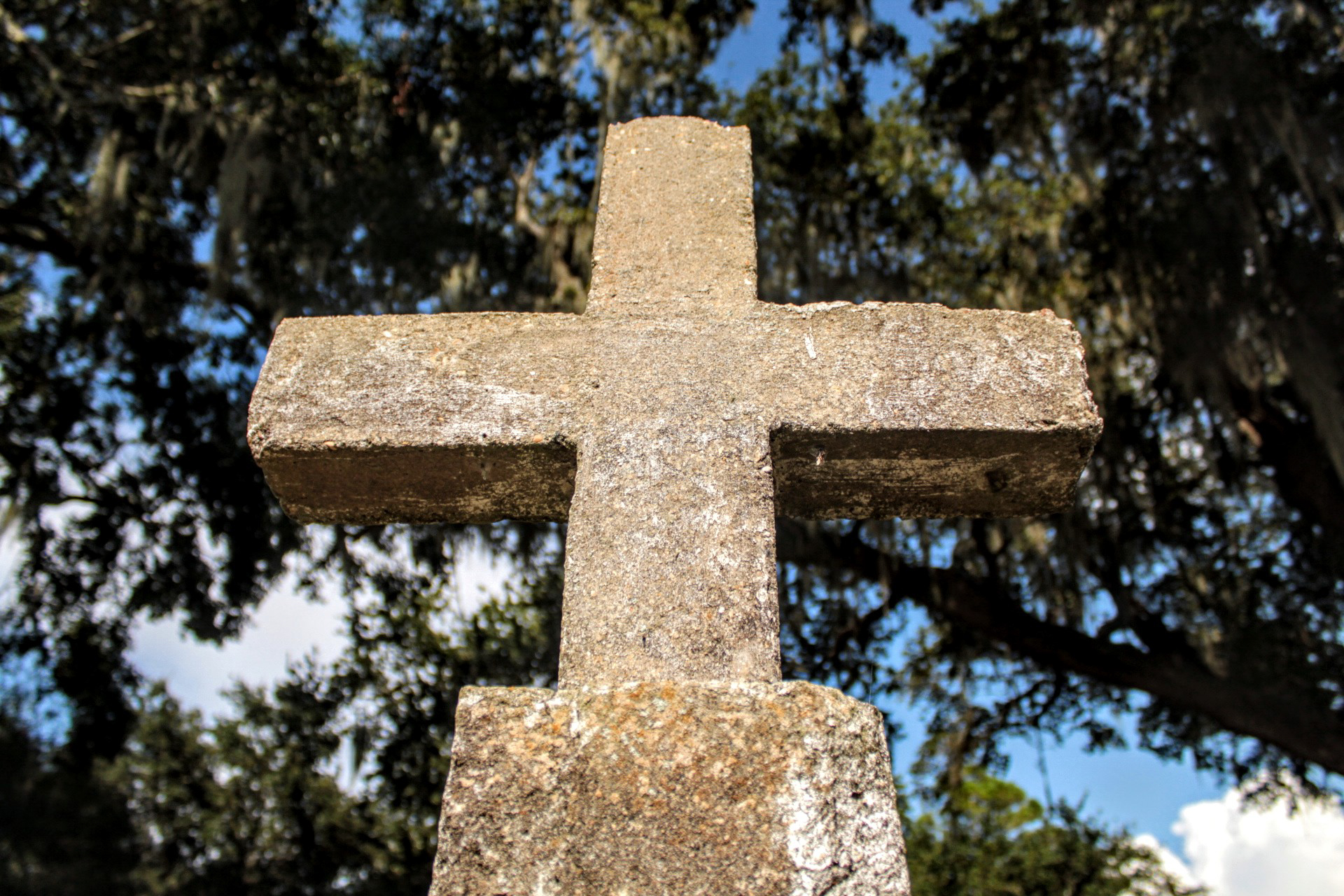
Breaking the chain means seeing those moments for what they are: the edge of a cliff. It means showing up with compassion, resources, and a plan before the next life slips away. Because when one loss hits a community in the grip of addiction, it is almost never the end.
A few days after Butch’s death, police picked up Josh on the warehouse burglary. Jail forced him into sobriety, but it couldn’t touch the grief and guilt that had settled in after losing Butch.
Months later, he walked out of those doors clean — but into a world where Butch was gone, the damage he’d caused was still fresh, and the old temptations were waiting. Within 24 hours of his release, Josh overdosed.
The Pattern We Don’t Talk About
This isn’t just a story about two men. It’s a story that plays out across the country in quiet, devastating waves. Grief, addiction, and trauma create invisible chains between people. One death can set off another, and another, until families are left wondering how it all unraveled so fast.
The days after a loss, and the hours after someone comes home from jail, are some of the most dangerous moments a person can face. Without intervention, without someone there to break the spiral, the cycle repeats.
Breaking the Chain
Butch and Josh’s deaths were months apart, but they were connected — casualties of the same war, fought in motel rooms, jail cells, and the history they carried inside them.
Breaking the chain means seeing those moments for what they are: the edge of a cliff. It means showing up with compassion, resources, and a plan before the next life slips away. Because when one loss hits a community in the grip of addiction, it is almost never the end.
A few days after Butch’s death, police picked up Josh on the warehouse burglary. Jail forced him into sobriety, but it couldn’t touch the grief and guilt that had settled in after losing Butch.
Months later, he walked out of those doors clean — but into a world where Butch was gone, the damage he’d caused was still fresh, and the old temptations were waiting. Within 24 hours of his release, Josh overdosed.
The Pattern We Don’t Talk About
This isn’t just a story about two men. It’s a story that plays out across the country in quiet, devastating waves. Grief, addiction, and trauma create invisible chains between people. One death can set off another, and another, until families are left wondering how it all unraveled so fast.
The days after a loss, and the hours after someone comes home from jail, are some of the most dangerous moments a person can face. Without intervention, without someone there to break the spiral, the cycle repeats.
Breaking the Chain
Butch and Josh’s deaths were months apart, but they were connected — casualties of the same war, fought in motel rooms, jail cells, and the history they carried inside them.
Breaking the chain means seeing those moments for what they are: the edge of a cliff. It means showing up with compassion, resources, and a plan before the next life slips away. Because when one loss hits a community in the grip of addiction, it is almost never the end.
A few days after Butch’s death, police picked up Josh on the warehouse burglary. Jail forced him into sobriety, but it couldn’t touch the grief and guilt that had settled in after losing Butch.
Months later, he walked out of those doors clean — but into a world where Butch was gone, the damage he’d caused was still fresh, and the old temptations were waiting. Within 24 hours of his release, Josh overdosed.
The Pattern We Don’t Talk About
This isn’t just a story about two men. It’s a story that plays out across the country in quiet, devastating waves. Grief, addiction, and trauma create invisible chains between people. One death can set off another, and another, until families are left wondering how it all unraveled so fast.
The days after a loss, and the hours after someone comes home from jail, are some of the most dangerous moments a person can face. Without intervention, without someone there to break the spiral, the cycle repeats.
Breaking the Chain
Butch and Josh’s deaths were months apart, but they were connected — casualties of the same war, fought in motel rooms, jail cells, and the history they carried inside them.
Breaking the chain means seeing those moments for what they are: the edge of a cliff. It means showing up with compassion, resources, and a plan before the next life slips away. Because when one loss hits a community in the grip of addiction, it is almost never the end.
Occasionally, some of your visitors may see an advertisement here,
as well as a Privacy & Cookies banner at the bottom of the page.
You can hide ads completely by upgrading to one of our paid plans.
Leave a comment