
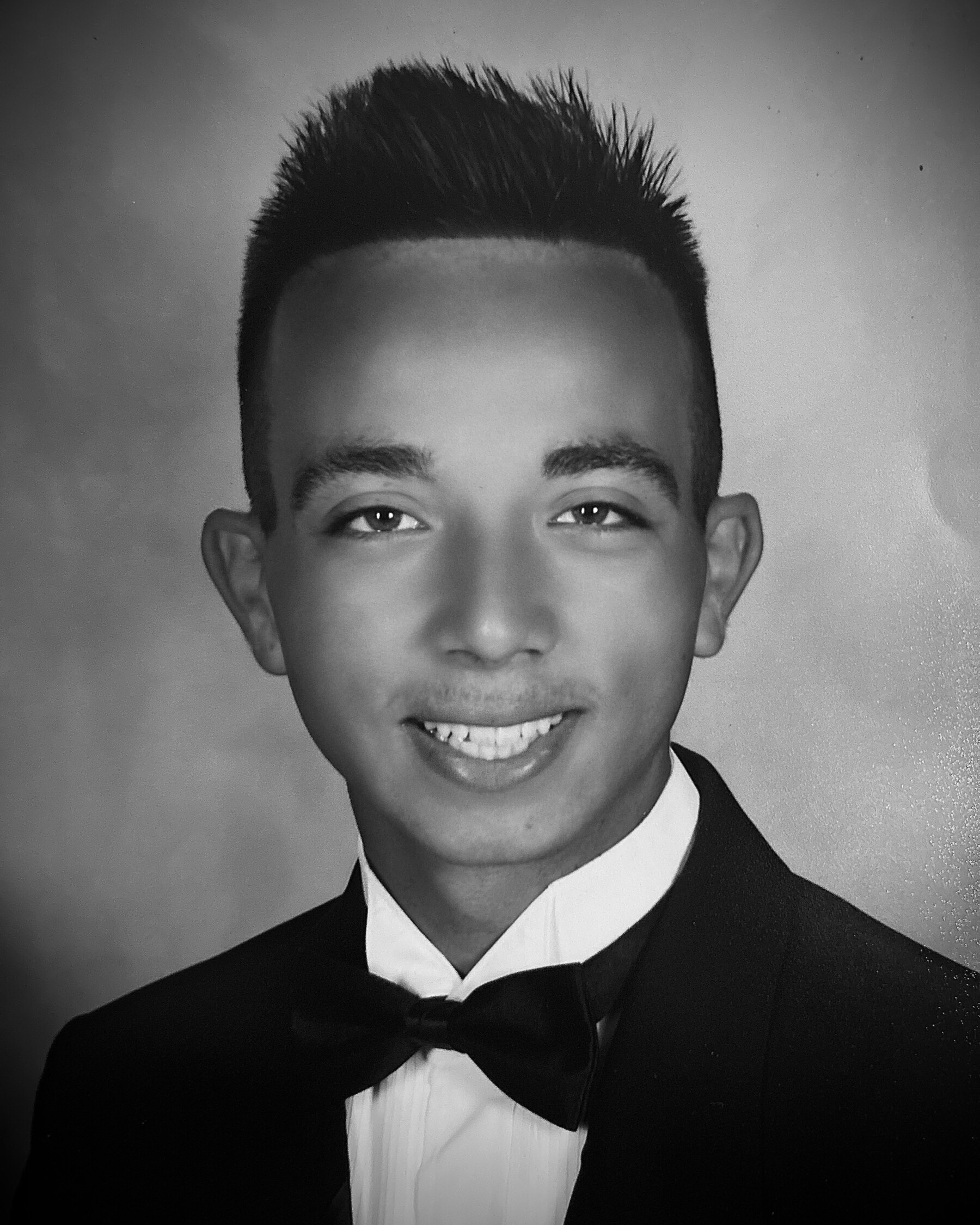
Personal story
He Was Here
More than a year after losing her son Tristin to an overdose, Rachel remembers the young man he was, the addiction that changed their family, and the grief that continues after everyone else goes home.
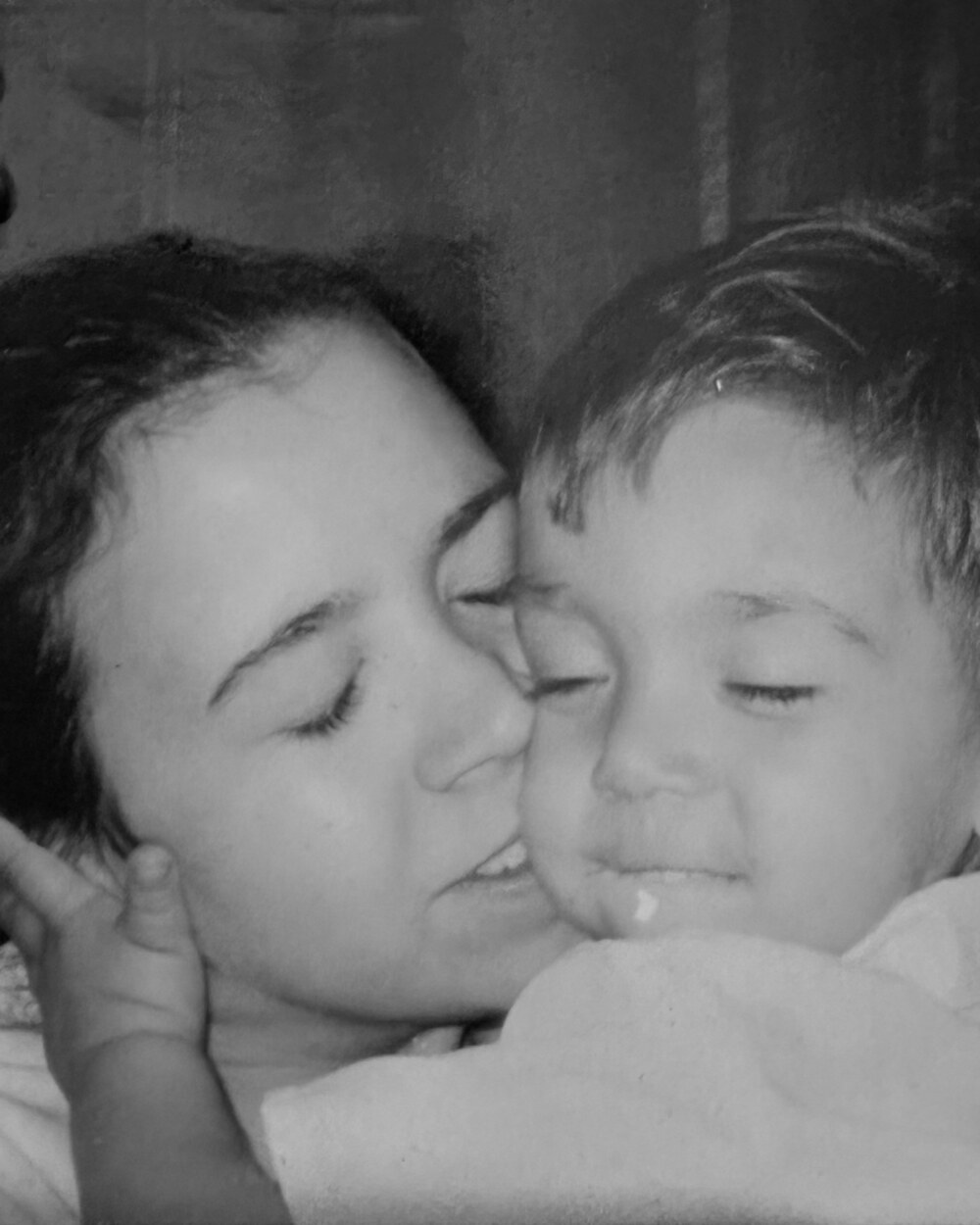
On the mornings when life still made sense, Rachel could tell exactly where her son was in the house by the sound of his feet. Tristin had flat arches, and on the tile his steps made a soft suctioning noise, a small, familiar rhythm that always ended the same way.
“Hey, Mom.”
He said it every morning. It was ordinary, and it was everything.
More than a year after his death, she still hears it sometimes. Not in a supernatural way, just in the way grief rearranges the senses. A sound that isn’t there. A shape that looks familiar. A moment where the impossible briefly feels negotiable.
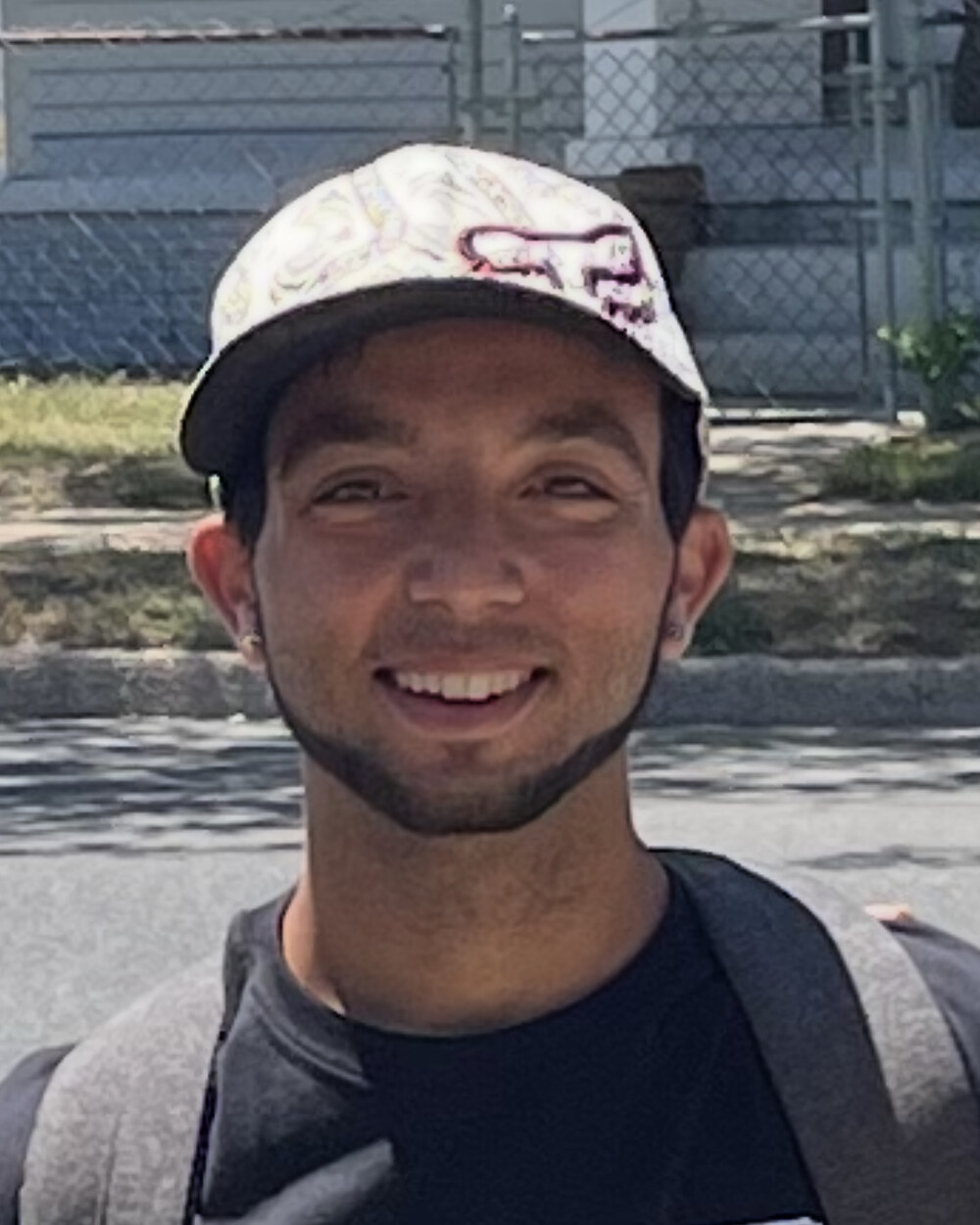
One afternoon she looked out the window and saw a figure in the yard wearing a baseball cap. Tristin wore one often after he started losing his hair early. Her heart jumped.
For an instant, she thought it was him. Then her mind caught up.
These are some of the tricks grief plays.
People often remember an overdose first. She wants them to remember the person.
01
The Boy He Was
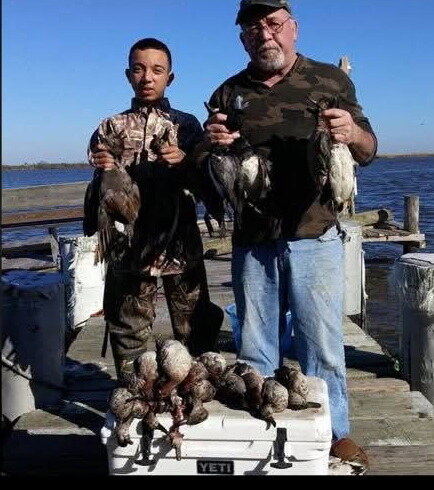
Before addiction changed the shape of their family, Tristin was the kid who loved fishing, chicken, and duck hunting. He could disappear into a TV show like he’d stepped through the screen. He was polite in a way that wasn’t performative. When someone walked into the house, he introduced himself. If anyone needed help, he was already moving.
“Shirt-off-his-back type of person,” Rachel said.
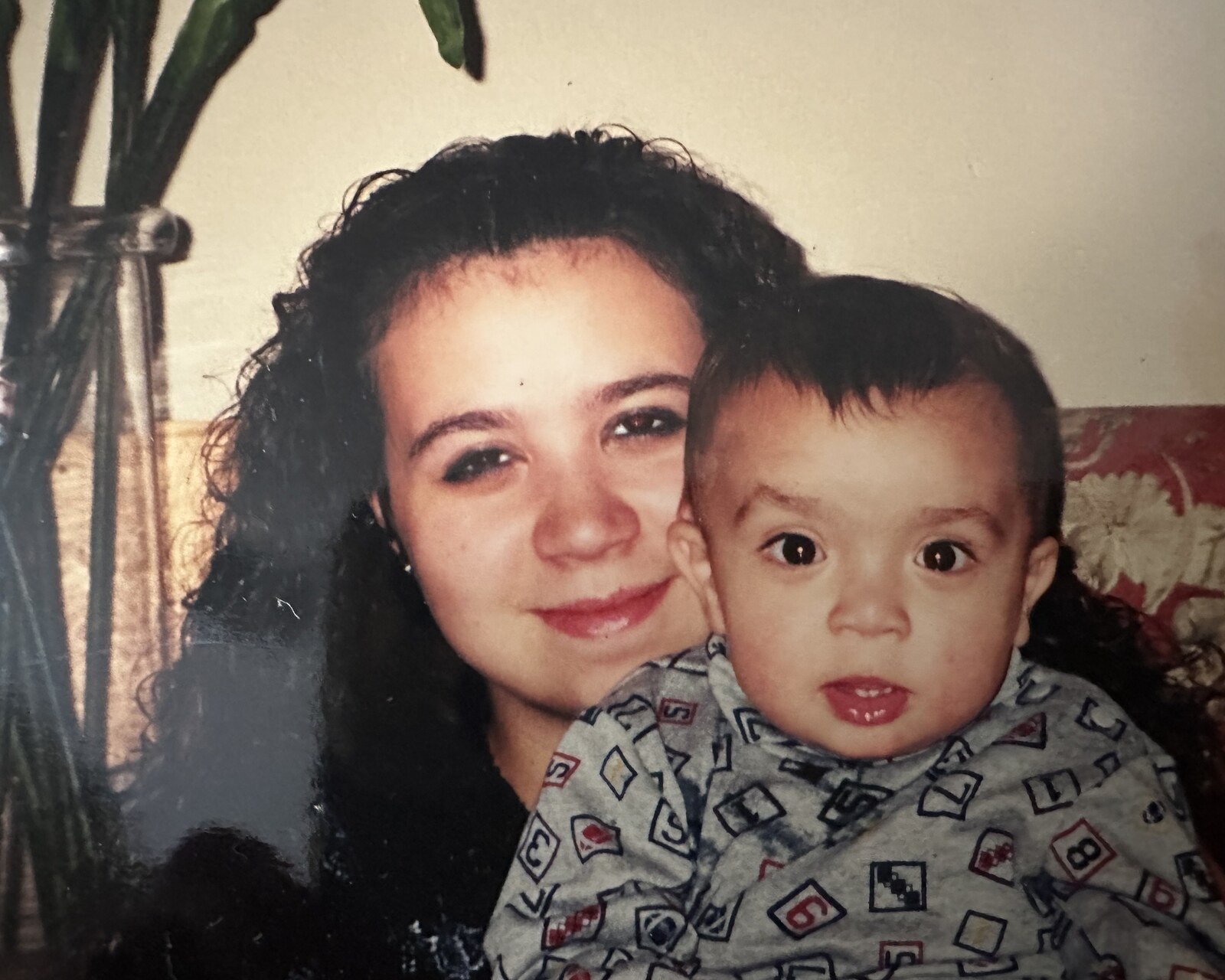
He was affectionate from the beginning. Before he could speak, he would place both hands on her face, as if he needed her to understand something he didn’t have words for yet. When he grew older, he still hugged her. Before bed, he told her, “I love you, Mom.”
Rachel had him at sixteen. “We grew up together,” she said.
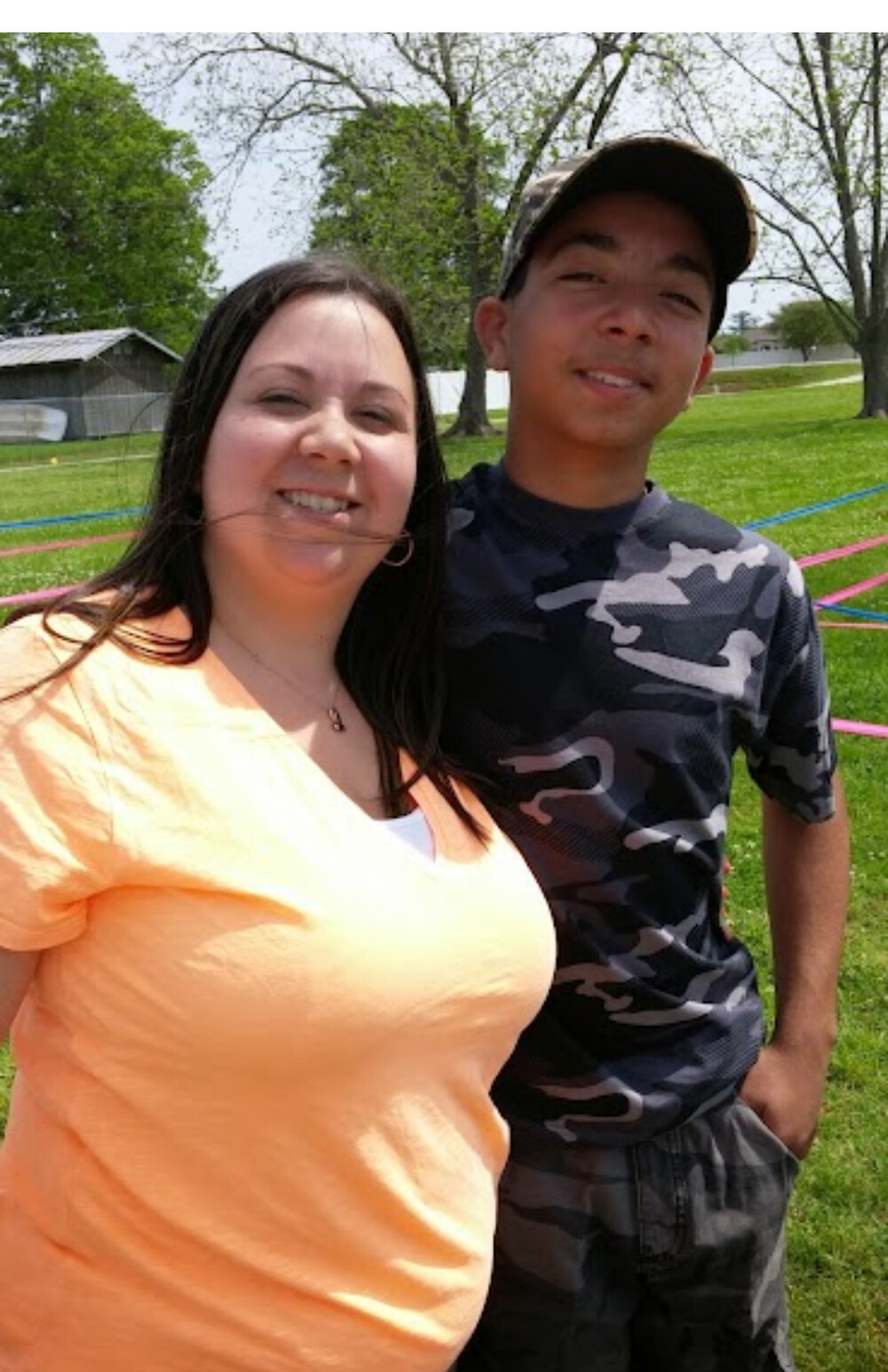
His biological father moved in and out of his life. Later, another man, Beezie, became a steady presence. When Tristin learned his mother had a boyfriend, he delivered the news with the blunt logic of a small child: “You’re not supposed to be my mommy’s boyfriend. You’re supposed to be my friend.”
He eventually became a big brother, eight years older than the second son he had begged his mother to have. The age gap showed. His younger brother was energetic, always after his attention; Tristin preferred retreat over losing his patience. But the love between them was never in question.
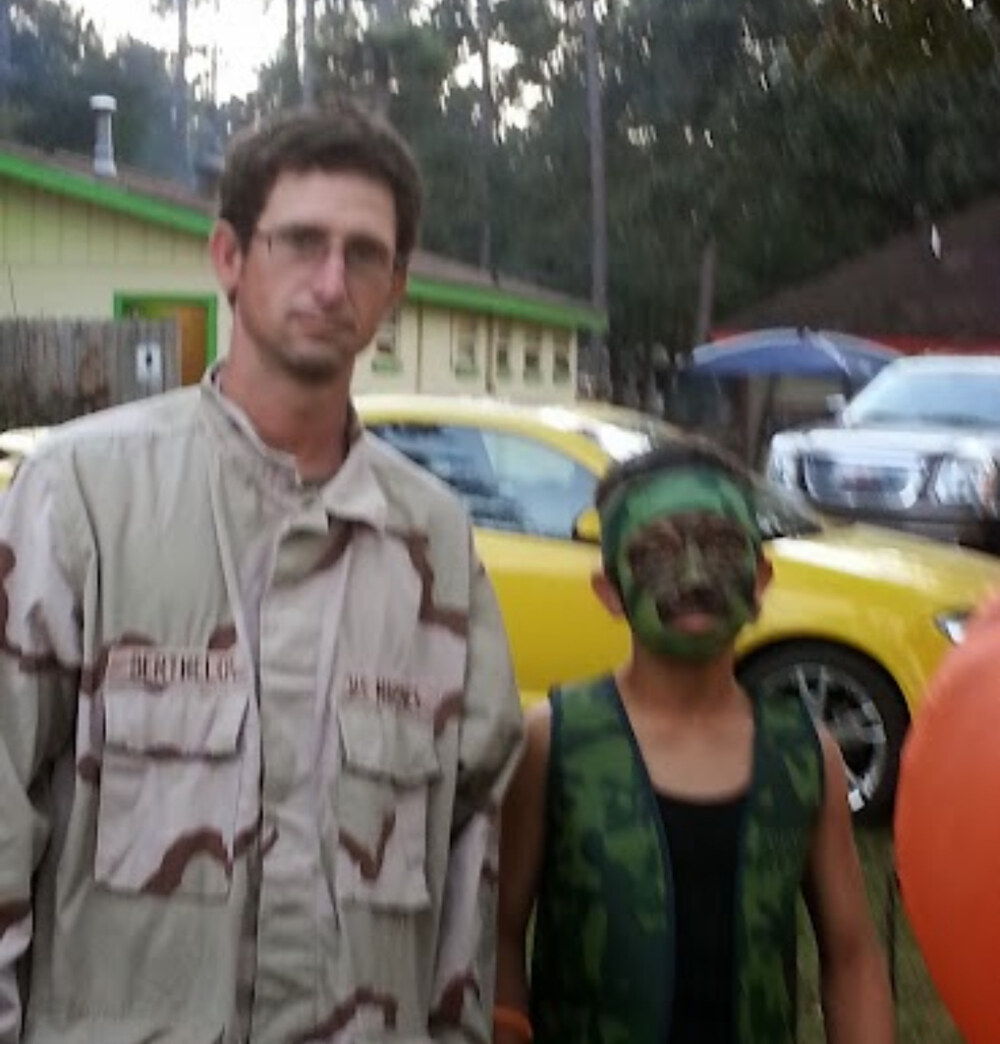
There is a photograph Rachel keeps from a community event called Outreach on the Beach, taken after Tristin returned from rehab. Addiction had opened a distance between the brothers. They no longer seemed to know how to speak to each other. That day, even though the water was cold, they took off their shoes and walked in.
She watched them talk.
It looked, she said, like reconciliation.
02
When the Door Would Not Open
The seriousness of what her son was facing didn’t arrive all at once. It came in pieces: isolation that looked like privacy, nights out that looked like independence, a closed bedroom door that looked like adulthood.
Then came the thump.
It was around five in the morning. She tried to open his bedroom door, but his body was blocking it. She called 911, followed the dispatcher’s instructions, and performed CPR until help arrived. At the hospital, doctors told her his organs were shutting down. For roughly six hours, he remained unresponsive.
She prayed. She refused to accept that this could be the end.
He came back.
Over the next five years, there would be repeated overdoses, seven in total, along with treatment programs, stretches of hope, and stretches of fear. She learned the geography of treatment because keeping him alive became its own form of work.
“Anything I could do possible to help him stay alive,” she said. “I wanted him to live.”
He wanted long-term help: time, structure, and a way to learn how to live independently again. One longer program in New Jersey seemed to be working. When Rachel learned that Tristin’s father, who had cancer, had been found unresponsive, she followed her instinct and brought her son home. Looking back, she is grateful she did. It gave Tristin one last good day with his father before his father died.
The family also encountered judgment. Some relatives treated Tristin as if he no longer measured up. At times, he stayed away from gatherings rather than face the looks and comments.
“They forget they’re human,” she said. “They’re people just like everybody else.”
Addiction was part of Tristin’s life. It was not the whole of him.
03
The Day Hope Ran Out
When Rachel learned that Tristin had died at twenty-four, her first instinct was to get to her father’s house, where he had been staying in the bedroom that once belonged to her. Some part of her still believed she could change what had happened. She had seen him come back before.
Police wouldn’t let her inside immediately. The house was being treated as a crime scene. She waited for the coroner and asked to see her son.
When the bag was opened, he looked like himself. His eyes were open. She told him she knew he was with the Lord. Then the bag was closed, and she couldn’t bear for that to be the final moment. She asked again. She couldn’t gather him into her arms, but she held his arm.
Her pastor later arrived and prayed over him. When he finished, he said Tristin’s eyes were closed and he looked at peace.
Then came the people, the funeral arrangements, and one decision after another: clothes, the service, an open casket, cremation. She had almost no space to understand what had happened. Looking back, she wishes the family had been given more time alone before the house filled with visitors.
She returned to work after only a few days. For several hours at a time, the job gave her a box to place her mind inside. Then she went home, and the truth was waiting.
His feet would not cross the tile. There would be no “Hey, Mom.”
Nothing people said made that easier. Even words rooted in her own faith could hurt. When someone told her her son was with the Lord, she understood the intended comfort. But in the first shock of loss, she did not want an explanation.
“I want my kid to be with me,” she said.
Her faith has nevertheless remained a place to stand. She remembers a conversation in which Tristin told her, “God is faithful even when we’re not.” She didn’t recognize the weight of the statement then. Now it stays with her.
04
Carrying Both
More than a year later, Rachel does not believe the grief itself has changed.
“I don’t feel like it looks any different,” she said. “I’ve just learned how to carry it better.”
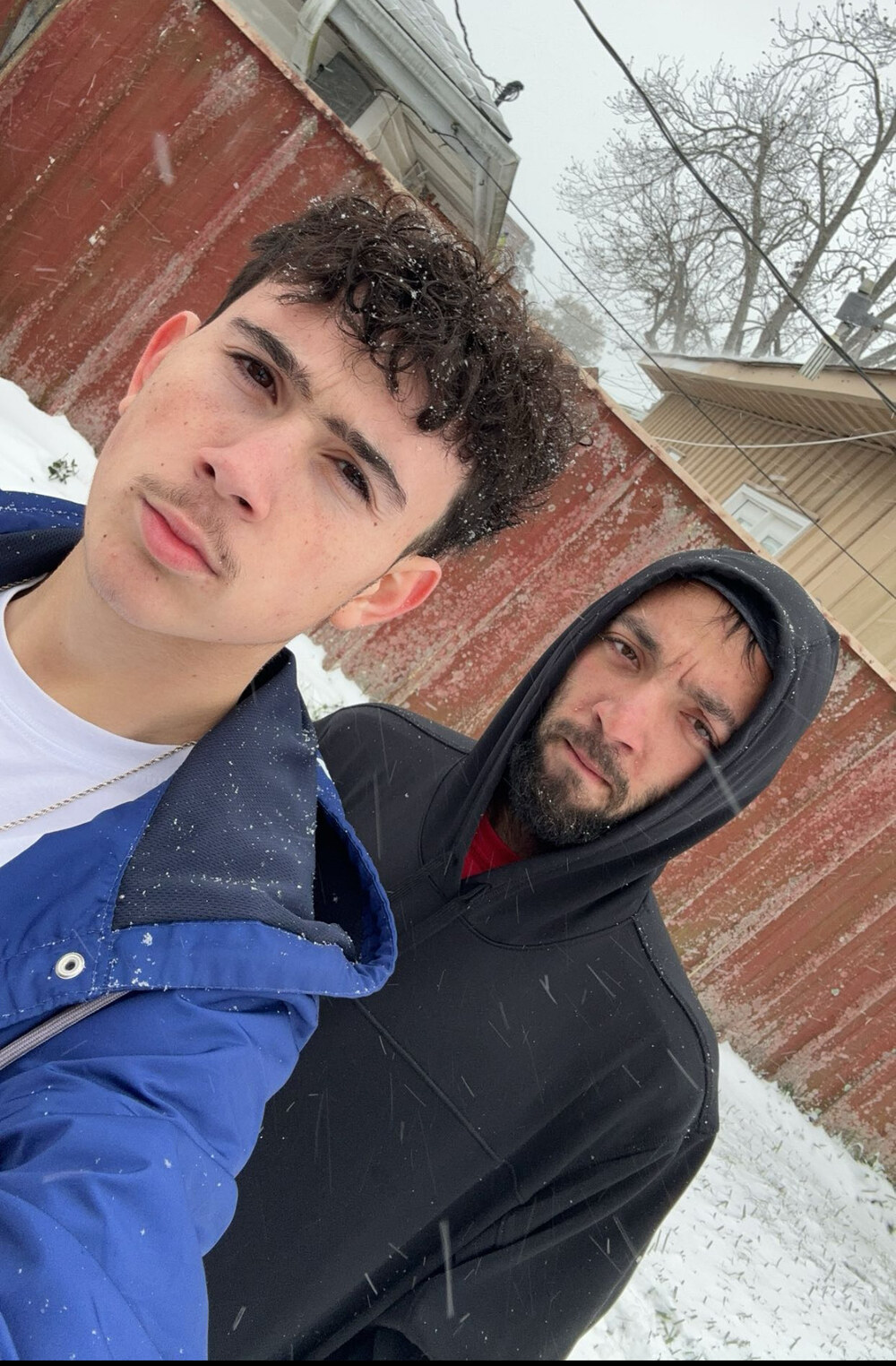
The loss changed everyone in the household. Tristin’s younger brother had his own questions and his own way of grieving. He became more affectionate, sometimes seeming to take care of her while she tried to take care of him. Beezie grew quieter. He laughed less. For long stretches, he buried himself in work.
Rachel learned that a family does not experience one shared grief. Each person carries a different relationship, a different absence, a different set of memories. Counseling was complicated for her younger son. At times, talking seemed to reopen the wound. What helped was having a trusted adult, his uncle, who listened without judgment or gossip.
“Kids have feelings too,” she said.
The family continues to talk about Tristin. They tell stories. They return to the important moments. She remembers his smile, his laugh, and his generosity: giving rides, handing money to people on the street, offering away a breakfast sandwich because someone else needed it.
She also remembers the son who believed, at times, that his life mattered less than the lives of people he cared about. It is one reason she speaks so directly to people who are still using.
“They are important,” she said. “They’re somebody’s kid.”
An overdose does not end with one person. It travels through an entire family. There are no take-backs, no final conversation in which everything can be explained. There are parents who replay every decision and siblings who must imagine the rest of their lives without the person who had always been there.
For a time, guilt made her search for the one thing she could have done differently. Eventually, she forced herself to remember who she had been at twenty-four: determined to make her own choices, no matter what anyone said. Tristin had been an adult, too. She does not believe he intended to die. She believes he thought he would survive again, as he had before.
Accepting that has not removed the pain. It has helped her loosen her grip on the belief that a mother’s love should have been powerful enough to control an outcome her son could not always control himself.
Today, she works full time, remains involved in ministry, and leans on a small faith community whose members answer calls, pray, and help one another through hard days. She is learning that continuing to live is not the same as leaving Tristin behind.
“I can still have a broken heart and still be happy,” she said. “I can carry both.”
She carries grief, and she carries responsibility to the son who is still living. She urges parents in the same position to hold their children close, seek people they can trust, and remember that surviving siblings still need attention and love.
Most of all, she wants the silence around her son to end.
People sometimes avoid her because they don’t know what to say. They stop asking. They stop speaking his name. To them, silence may feel respectful. To her, it can feel like erasure.
“I want people to talk about him,” she said. “I want people to remember him. I don’t want people to just stop saying his name altogether, because then it makes it seem like he just never existed.”
But Tristin did exist. He was a son who put both hands on his mother’s face before he had words. He was a brother who walked into cold water to repair a relationship. He was a young man who offered rides, food, and help. He laughed. He struggled. He loved his family, and they loved him.
His name was Tristin.
He was here.
In remembrance
His name was Tristin.
He laughed. He struggled. He loved his family, and they loved him.
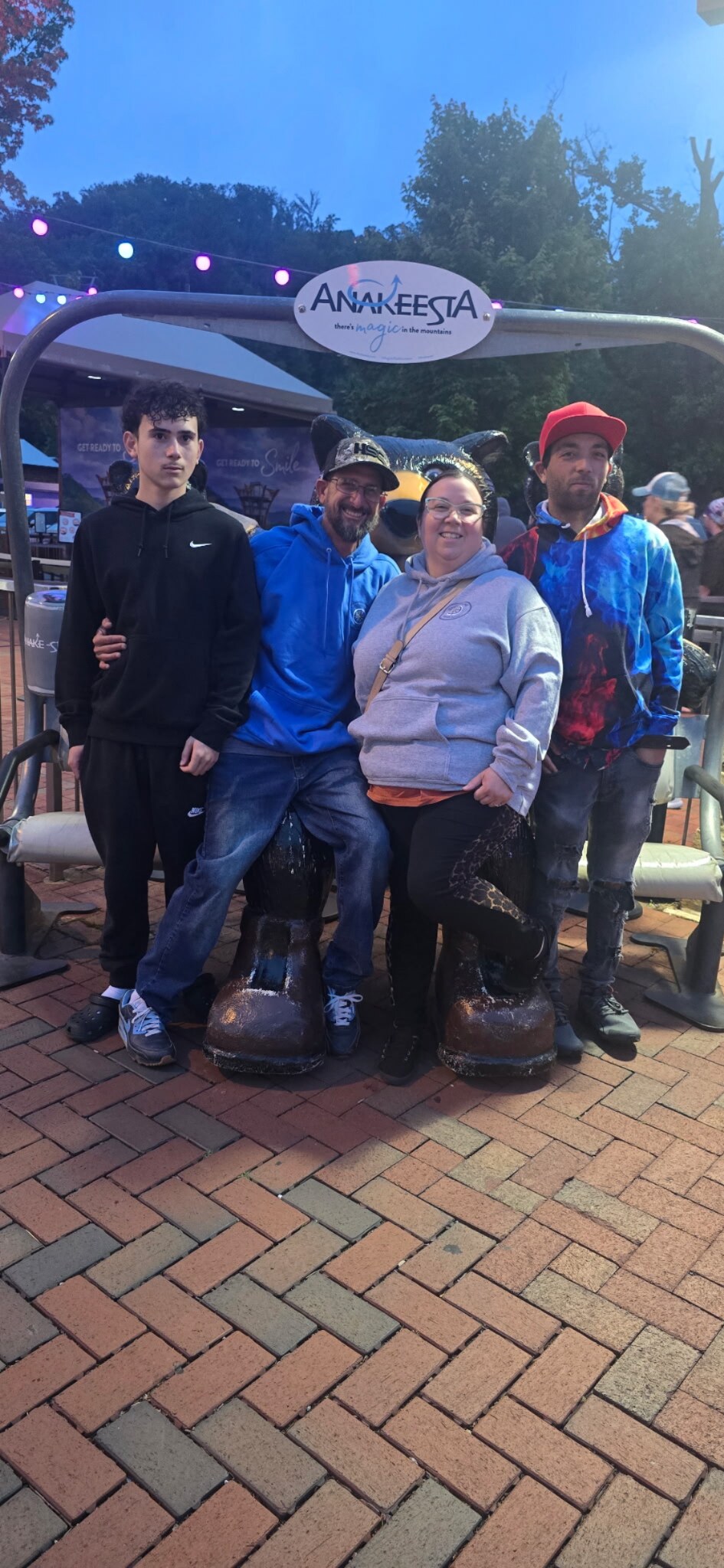
He was here.A son. A brother. A life remembered.Little Brandon, Brandon, Rachel, and Tristin together as a family.
Photographs courtesy of Rachel and family.