
Personal essay
There Is No One Way Out
I used to think surviving addiction had given me the answer. Then life taught me the difference between finding my way out and knowing yours.
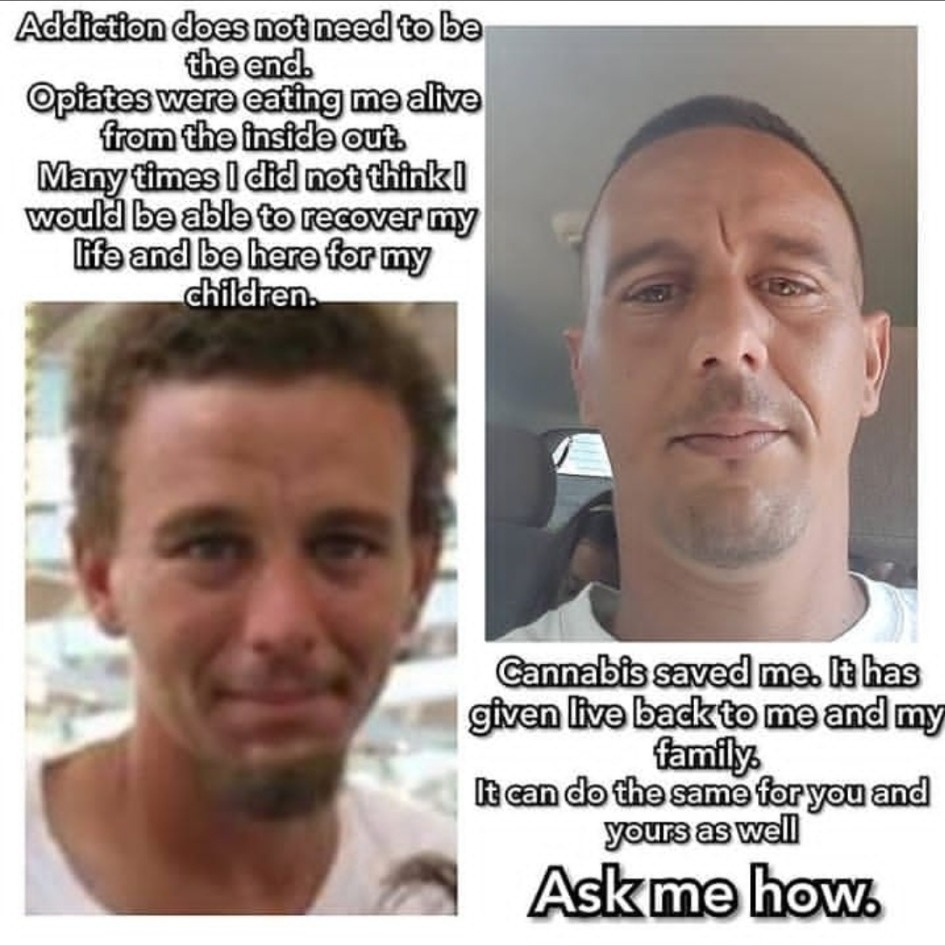
There was a time when I thought I had addiction figured out.
If you had found me online around 2018 or 2019, you wouldn't have had to look very hard to figure out what I believed.
Cannabis leaves filled my page.
Free the Plant.
Buds Over Bottles.
End Addiction.
End the Stigma.
And one phrase I used more than once:
Ask me how.
But those posts were not the beginning of the story.
They came after two different attempts to get away from opioid pills—an attempt that lasted roughly 180 days, a return to the pills, and another attempt about two years later that became the date I still count from.
The order matters.
To understand why I once sounded so certain—and why I don't anymore—I have to start before the activism.
01
The First 180 Days
The first time I stopped taking pills, cannabis was part of how I did it.
At that point, I was smoking it.
I made it roughly 180 days without opioids.
That meant everything to me.
But some people around me still saw a drug addict. I had stopped taking the pills, but I was smoking weed. To them, I had simply traded one drug for another.
Eventually my wife took me to a treatment center to appease her family.
I remember sitting in an office with a man named John. I don't remember his exact title or role anymore, but he was the person conducting the session.
Someone came in with the results of my drug screen.
Cannabis.
That was it.
John said he thought I had an opioid problem.
I told him I did.
Had.
I explained that I had stopped taking opioids and was using cannabis.
According to my recollection, he looked at my wife and said they needed to get me on Suboxone.
I couldn't believe what I was hearing.
I had walked into an addiction treatment center roughly six months removed from opioids, and now we were talking about putting me on another medication.
So I challenged him.
He told us Suboxone was the medication he used for addiction. He also told us he used it himself and had previously struggled with alcohol.
Then I started asking questions.
If I abruptly stopped taking opioid pills, would I get sick?
Yes.What about cannabis?
He said yes.What about Suboxone?
That's where I remember the answer changing. He told me no, although I might experience something like flu symptoms.
I kept pushing him to answer the question the same way he'd answered the others.
Eventually the conversation fell apart.
What stayed with me most was him turning to my wife and telling her that nothing would help me because I was a drug head.
I walked out believing I had proven my point.
There was only one problem.
Eventually, I went back to the pills.
02
Stopping Isn't Staying Stopped
Cannabis had helped me stop for approximately six months. Nobody can take those six months away from me.
But I had not figured out how to stay stopped.
After I returned to the pills, I eventually tried Suboxone too.
For me, it was one of the worst experiences of that period of my life.
I repeatedly told the doctor prescribing it that something felt wrong. I remember being told that the problem was that I wasn't taking the prescribed amount.
Eventually I decided to stop taking it.
What followed was one of the most excruciating withdrawals I remember experiencing. I became so sick that I returned to oxycodone trying to make myself feel normal again.
There was something almost absurd about the circle I had created.
I had taken a medication intended to help me get away from opioids. When I stopped taking it and became horribly sick, I went back to the pills I was trying to escape because I knew they would make the sickness stop.
For a long time, that experience shaped the way I looked at Suboxone.
But it was still only my experience.
My experience isn't everybody's experience.
Roughly two years after that first attempt, I tried to get away from the pills again.
By then I had learned more about cannabis and had begun incorporating it into my diet instead of relying only on smoking it. That was part of what I did differently the second time.
I'm not presenting that as a formula.
I'm putting it in the timeline because it is what happened.
This time, I stayed away from the pills.
January 19 became the date I counted from.
03
When My Way Became the Answer
The activism came after that second attempt—not before it.
I wasn't a doctor. I wasn't selling anything. I was a man who had spent years dependent on opioid pain pills and had finally managed to put them down.
I wanted people to know there was another side.
So I talked about what had worked for me.
Loudly.
I photographed plants I had access to with my cell phone and turned those pictures into advocacy graphics. I cooked with cannabis. I wrote about it. I submitted public comments. I argued with doctors. I attacked Louisiana's medical marijuana program when I believed it wasn't being built for the patients who needed it.
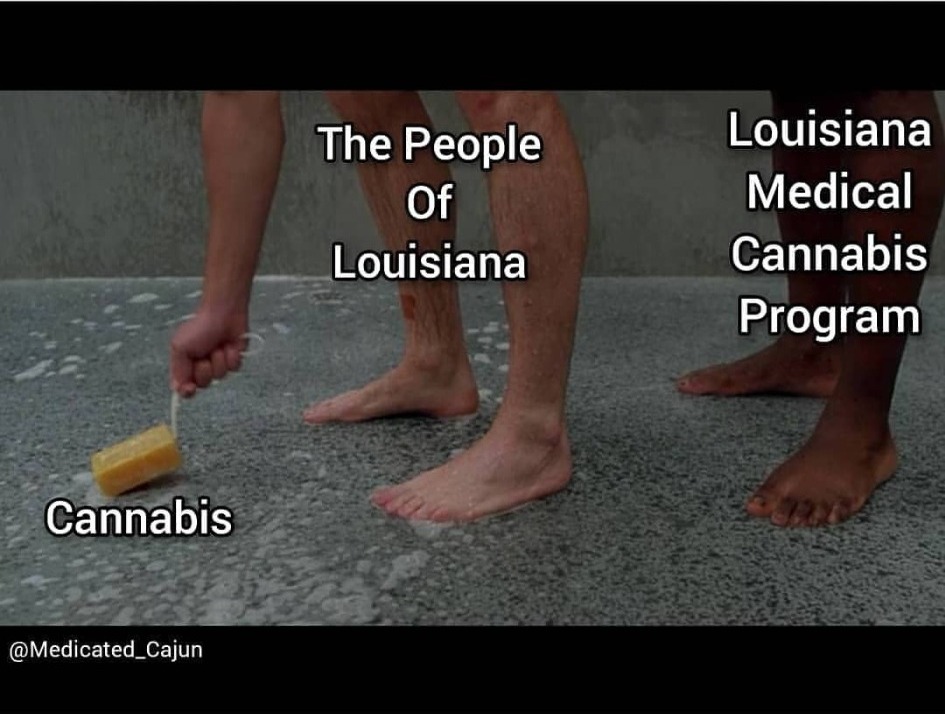
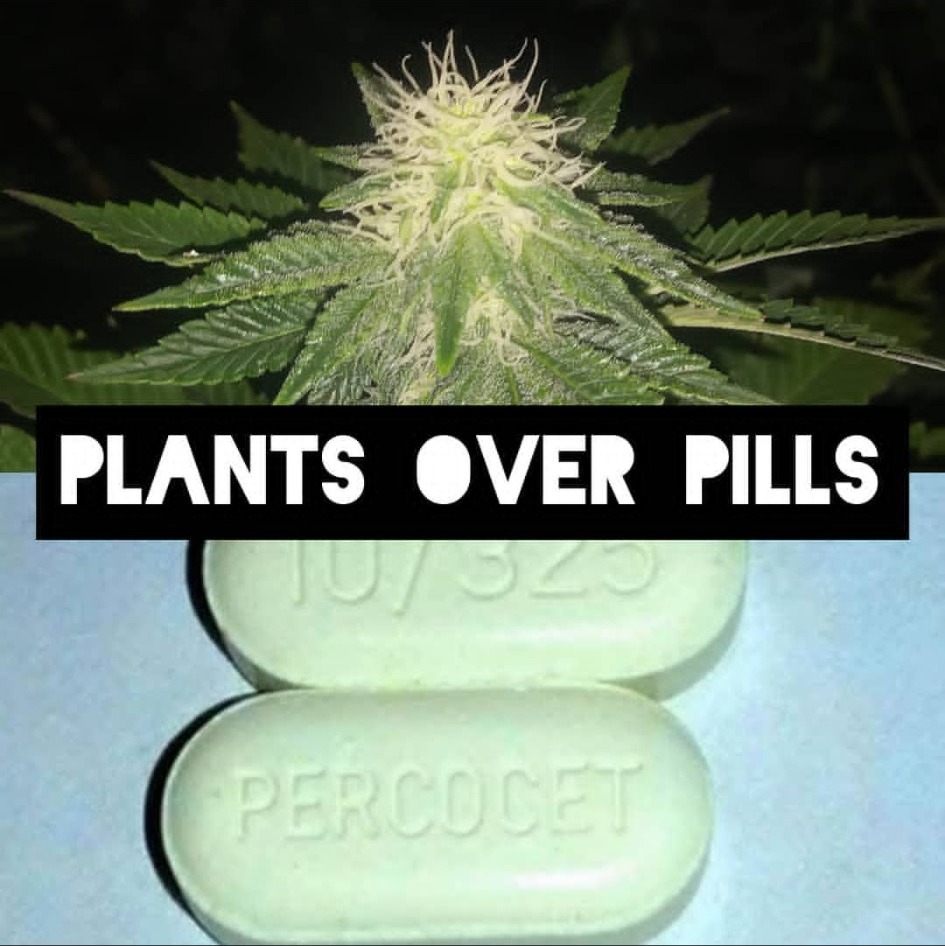
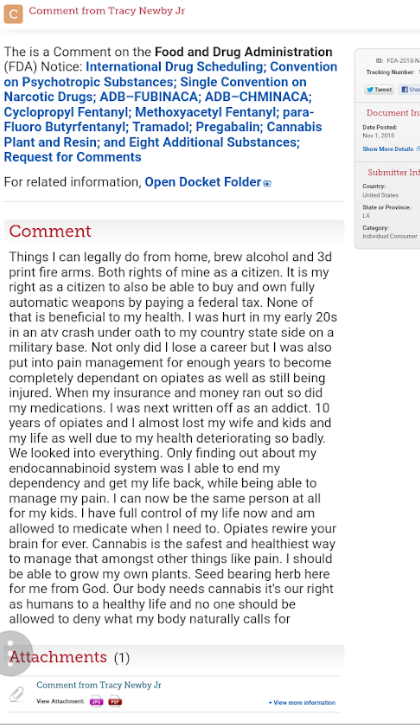
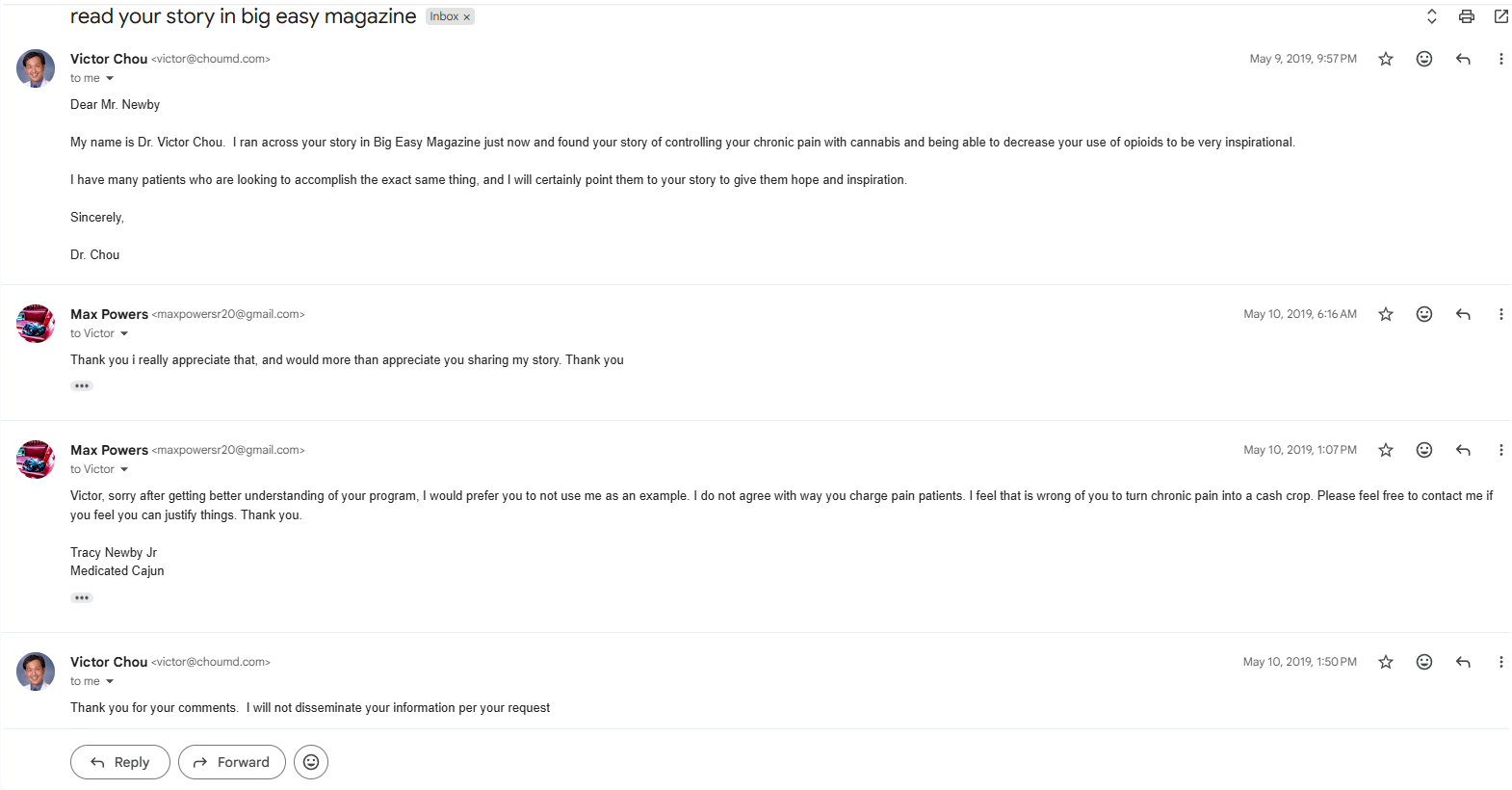
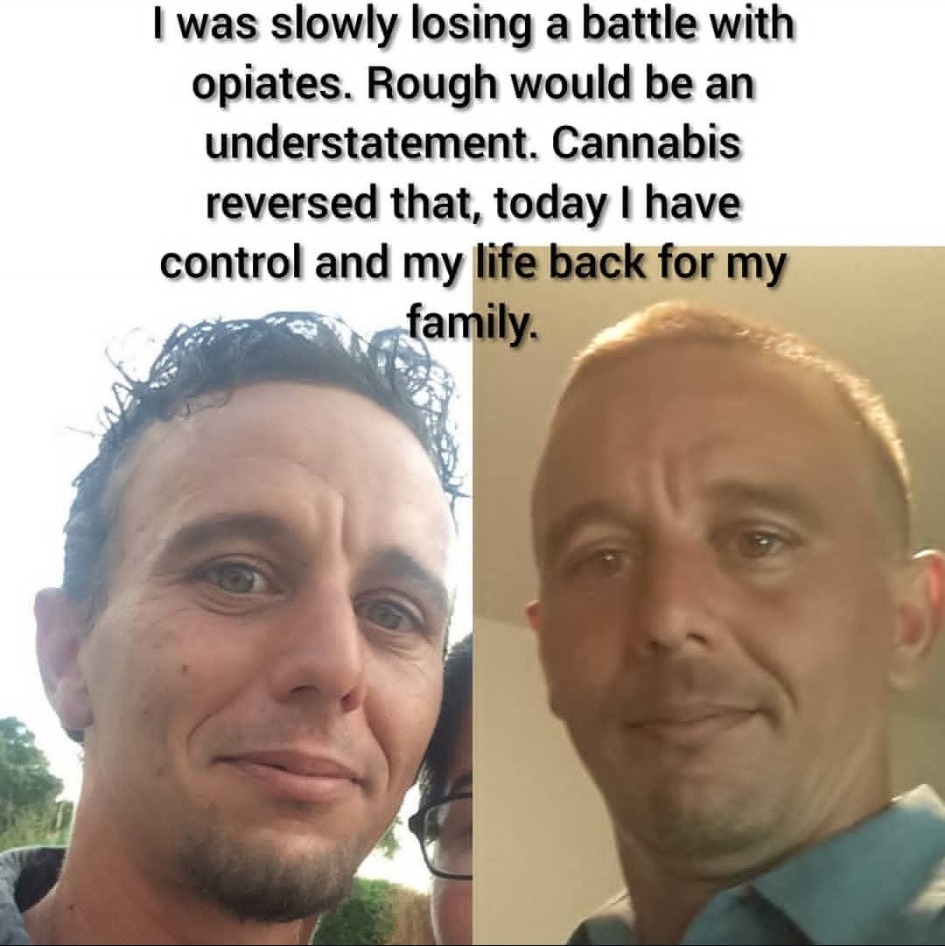
I put photographs of myself at my worst beside photographs of myself after pills and told strangers that addiction didn't have to be the end of their story.
I believed what I was saying.
Some of it, I still believe.
What changed was my certainty.
I had taken something that was true about my life and started speaking as if it had to be true for everybody.
Knowing how I got out and knowing how to get you out are two very different things.
04
Your Way Doesn't Have to Be My Way
I know people who have spent decades on methadone and continued using dope.
I've seen it firsthand.
I also know people who got on medication and never touched dope again.
I've seen that too.
So what am I supposed to do with those two truths?
I could tell you about my experience with Suboxone and conclude that Suboxone is terrible.
But that wouldn't be honest.
I could tell you cannabis helped me and conclude that everybody with an opioid problem should use cannabis.
That wouldn't be honest either.
I could point toward complete abstinence and declare that the only legitimate recovery is a life without any mind-altering substance.
But who gave me the authority to decide that for somebody else?
If someone takes methadone every morning and hasn't touched heroin in ten years, am I really going to tell them they aren't in recovery?
If someone takes Suboxone and goes home every night to children they once couldn't take care of, does my experience somehow invalidate theirs?
If someone stopped taking pills with cannabis, should another person get to tell them that doesn't count?
What if somebody needed residential treatment?
What if it was jail?
What if it took some combination of ten different things that wouldn't make sense to anybody except the person who lived it?
Maybe we've spent too much time arguing about the right way out.
Maybe there isn't one set way.
05
The Person I Wanted to Save
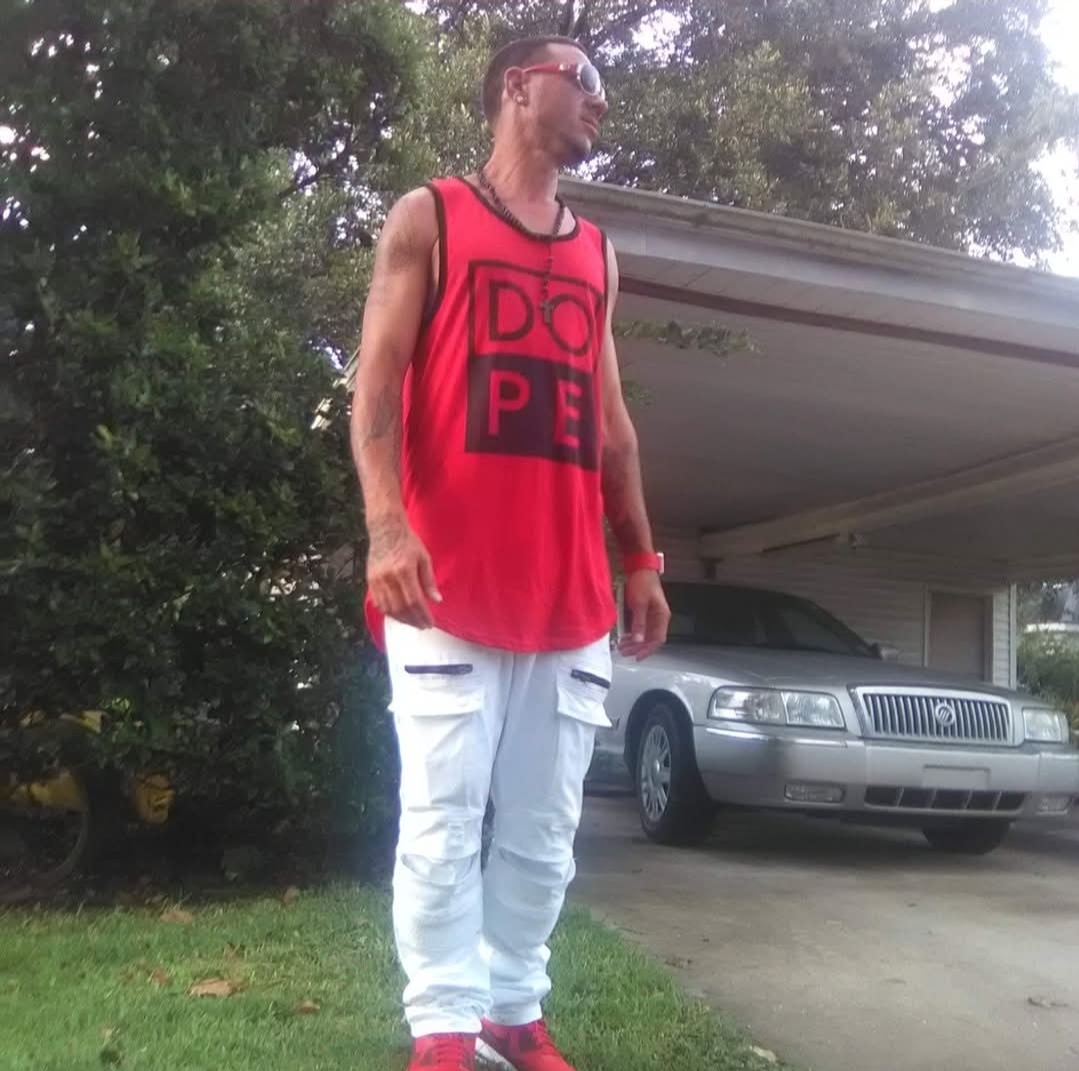
By the time Butch died, I had been away from opioids and had spent years publicly talking about addiction.
Once you've escaped something that nearly destroyed you, it's easy to believe you've learned something that can save somebody else.
I certainly believed that.
I told people what had worked for me because I wanted them to make it too.
Then Butch died.
On the morning of February 2, 2021, I texted him.
I told that bitch to give me a holler when he got up.
He never spoke to me that day.
I wish he had told me what was going on.
I've thought about what I would have done if he had.
I would've found money for him.
I would've gone to him.
I would've sat with him.
At that point in my life, I probably would've even taken a few pills with him if I believed doing that could calm him down and keep him there long enough to make it through whatever was happening.
I'm not saying that would have been smart.
I'm saying I would've tried anything.
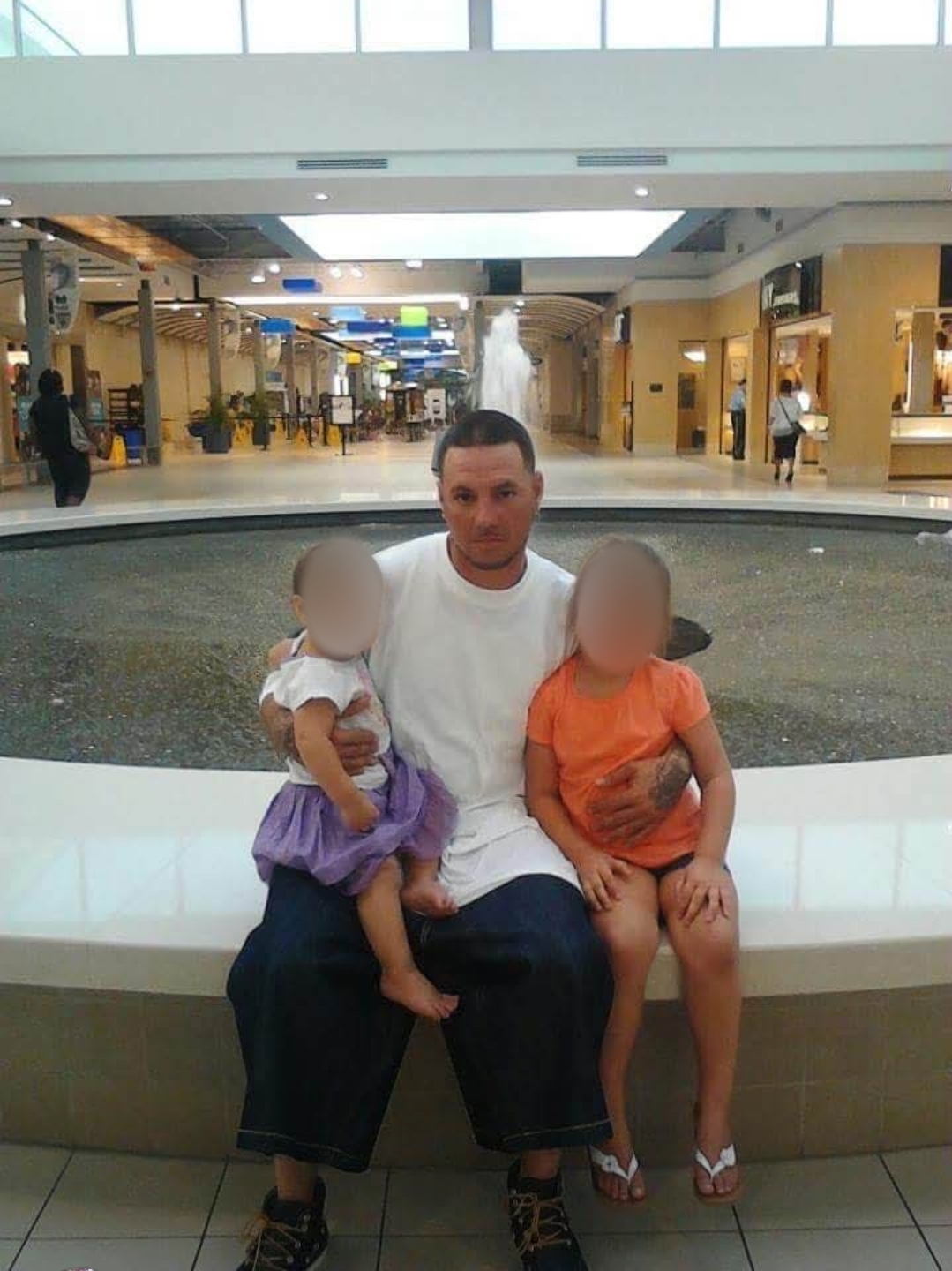
But he never gave me that opportunity.
For somebody who had spent years telling people there was a way out, his death felt like defeat on a level I hadn't experienced before.
The person I most desperately wanted to reach was gone.
Something in me went quiet after that.
06
Ask Me How
I didn't erase cannabis from my life after Butch died. I didn't pretend my history hadn't happened.
But the advocacy changed.
Eventually, it mostly disappeared.
I picked up a camera. I worked in magazines. I photographed cars, festivals, wildlife and people. I raised my family. I wrote other things.
For years, addiction largely disappeared from what I publicly created.
Then somehow I ended up back here.
In Vein.
But I'm not the same person who made those old graphics.
That guy had an answer.
This guy has questions.
What makes one person stop while another can't?
Why does something change one person's life and fail another?
Why can someone go through treatment five times, relapse five times, and then something about the sixth time sticks?
Why can two people take the same medication and walk away with completely different stories?
What makes somebody finally say:
I'm done.
And maybe the harder question isn't how somebody stops at all.
Maybe it's:
What helps them stay stopped?
I don't know.
That's probably the biggest difference between the person writing this and the person who once covered his social-media pages with cannabis leaves and told strangers to ask him how.
Back then, I thought my survival had given me the answer.
Now I think it gave me an answer.
Mine.
That's all.
So if methadone is what got you home, I want to hear about it.
If Suboxone saved your life, tell me.
If complete abstinence is the only thing that ever worked for you, I want that story too.
If cannabis played a role, there's room for that story.
And if you've tried every damn thing people told you was supposed to work and you're still struggling, your story belongs here just as much as anybody else's.
The same goes for the families who never got their person back.
I'm done pretending addiction has one clean answer.
Maybe that's what In Vein is supposed to be.
Not a place where I tell everybody how to get out.
A place where we ask people who have actually been there:
What happened to you?
What helped?
What didn't?
What made the difference?
Years ago, I put my face beside pictures of cannabis and told strangers:
Ask me how.
I meant it.
Today, I'll still tell you how I got here.
I'll tell you about the weed.
I'll tell you about the pills.
I'll tell you about Suboxone.
I'll tell you about going back.
I'll tell you about finally stopping.
I'll tell you about the people I've watched make it.
And I'll tell you about the people I loved who didn't.
I'll tell you how I did it.
I just won't tell you that's how you have to.
Archival photographs and materials courtesy of Tracy Newby Jr.