
By Tracy Newby Jr.
1. Roots and Reverence
Addiction rarely begins the way people think it does. For me, it wasn’t a dealer, a back alley, or a reckless decision. It started with an injury, a prescription, and the belief that doctors knew best. This is my story.
Growing up, I spent most of my time at my grandparents’ house. My Pawpaw Mike and Mawmaw Honey took care of me the most. They were two of the greatest people to walk the earth in my eyes. When my grandfather passed away early into my high school years, it left a void I couldn’t name.
Back then, I never touched drugs. I started drinking a little in high school, but I would never disrespect my grandfather like that—doing what I considered to be real “drugs.” After high school, I joined the Air Force Reserves. I planned to become a local police officer. All of that changed the day I crashed an ATV while patrolling a military base. The wreck not only ended my military career, it also shattered any dreams I had of working in law enforcement.
That crash was more than just a career-ending moment—it was the doorway into a life I wouldn’t wish on anyone.
2. The Prescription Trap
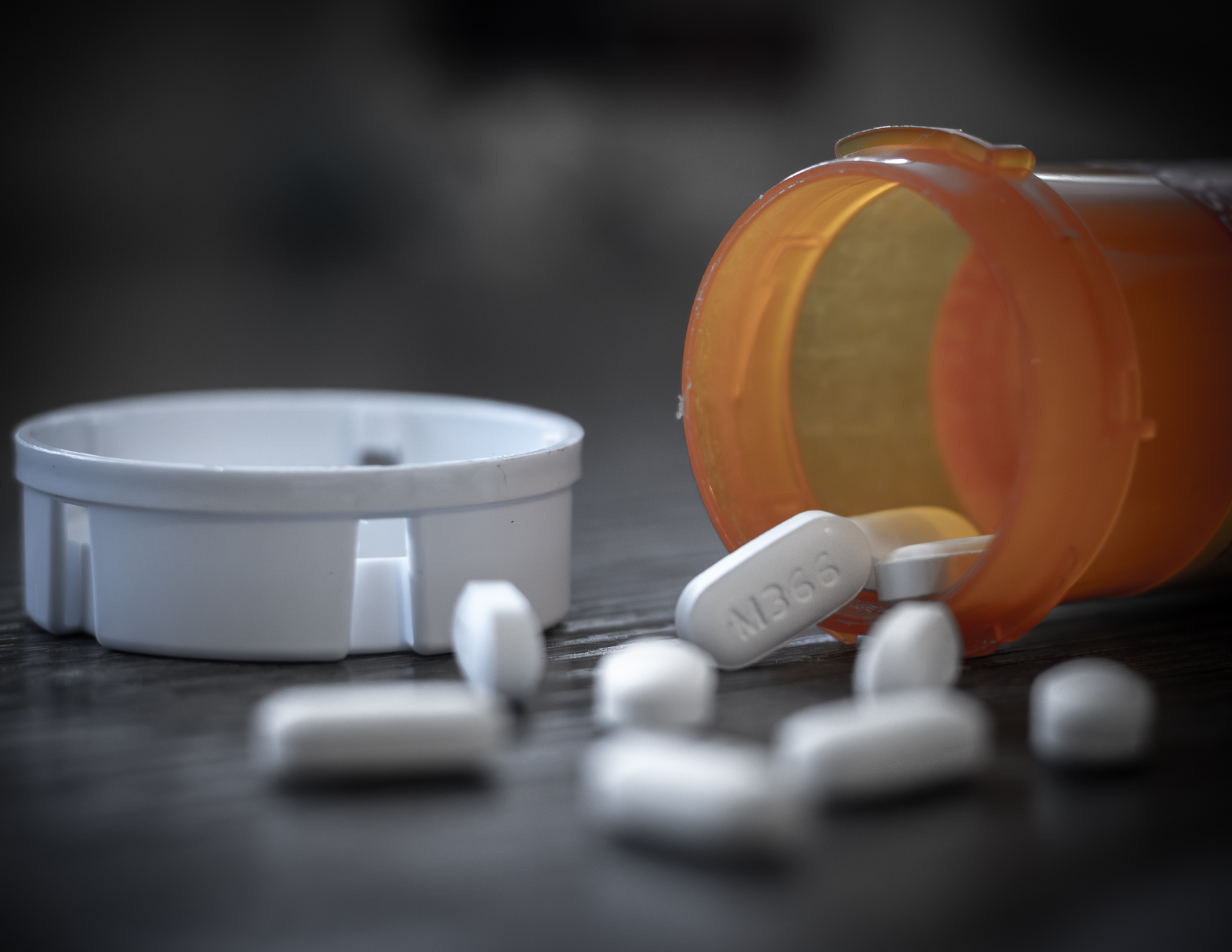
The pain was real, but so was the solution—or so I thought. Doctors gave me a daily cocktail of pills: painkillers, muscle relaxers, and benzodiazepines. I was told the pain would ease as my body adjusted. No one warned me what would happen once my body relied on those medications to function.
I didn’t have time to ask questions. I was falling in love, building a family, and trying to find my place in the world. I never imagined I’d be dragging children through such a chaotic upbringing. But as the opioid crisis swept across the country and laws began to change, I became a young man caught in a trap.
What used to be 180 pain pills, 180 somas, and 90 Xanax bars a month became 60, 60, and 30. I was physically dependent. Two pills a day wouldn’t even touch the pain I carried—physically or mentally. And yet, I was still just following what the doctor prescribed. “We’re not here to coddle anyone,” one told me. “We’re here to give them their pills and get them out the door.”
Then came the second wave of restrictions. Most doctors wouldn’t even see anyone under 30. My doctor cut me off completely. I wasn’t alone.
3. The Road to Houston
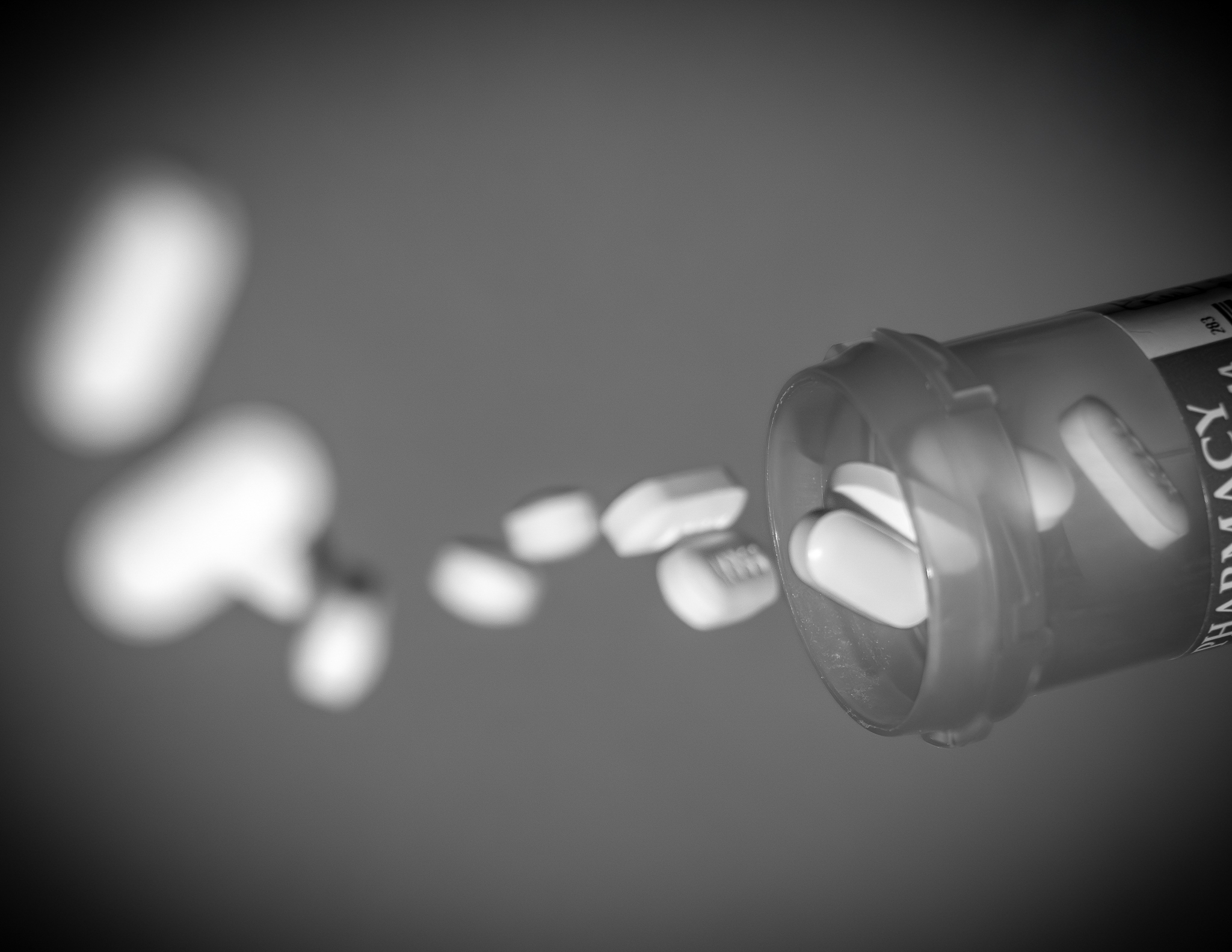
I couldn’t just stop. Withdrawal made everything hurt. My moods, my body, my soul—it all spiraled. I started buying pills on the street. Then I started going out of state to see multiple doctors. Eventually, I was recruited by street-level suppliers. They saw I had the paperwork, and I had the desperation.
We’d leave New Orleans early and hit Houston by sunrise. Doctor, pharmacy, another doctor, another pharmacy. Get the meds. Head home. We’d make the round trip in a day. At the time, things seemed stable. My wife and kids were happy. We were doing something wrong, sure—but it felt like survival.
That didn’t last. Texas cracked down on pain clinics. Then our crew got busted in Louisiana. Things fell apart fast.
4. Ghosts in the Doorway
Pills became harder to find. Older folks still made out-of-town runs and sold extras to make ends meet. One day, I went to buy from an older woman who organized one of these trips. She answered the door with a half-smile and said, “Come on in, Newby.”
Another woman inside asked if Newby was a nickname. I told her it was my last name. She asked who my father was. When I told her, she paused. “Oh, little Newby,” she said. “I used to go to the doctor and get pain meds for your grandma Honey.”
My stomach dropped.
I felt a wave of nausea and shame I can’t describe. Suddenly, so many things made sense. My grandfather’s stern warnings. The pain in his eyes. I saw the cycle—and I saw myself in it. That was a moment of reckoning I’ll never forget.
5. Rock Bottom in a Parked Car
I knew I needed to change. But I didn’t know how.
My home life was crumbling. I had a wife and three kids. No job. No stability. I couldn’t keep up with myself, much less them. Eventually, my wife and kids moved in with her parents. I had nowhere to go.
I asked friends if I could stay with them. Nobody had room for a man who couldn’t keep his own house together. So I lived in my car. Cold, hungry, and alone—except for the brief moments each day when I saw my family. I’d take them to school and work, pick them up, drop them off. Then I’d go find a quiet place to park and try to sleep.
That Thanksgiving, we had pizza at a park. That Christmas, we scraped together enough for a hotel room just so we could all wake up together. Those moments kept me going.
Then came the call. A friend of mine had died. Alcohol got him. That night, I thought it would get me too.
Not long after, I drove to the cemetery where my grandparents rest. I told my wife I was done. I had nothing left. That’s when she saw a sign—something she believed was from above. It gave her hope. And her hope gave me something to hold onto.

6. The Long Road Home
We saved what we could and found a place to live. This time, I took a different approach to healing. I went holistic—natural methods, counseling, spiritual work. No more pills. No more replacing one crutch with another.
Getting off of opiates was the best decision I’ve ever made. I couldn’t have done it without my family. Since then, we’ve added two more children to our home. Life is far from perfect—but it’s real, and it’s ours.
My older kids saw things no child should ever see. But they also saw what’s possible. They saw a broken man rise. They saw that no matter how far down you go, there’s always a way back up.
My name is Tracy Newby Jr. This is my story. And I add to it daily.
About the Author
Tracy Newby Jr. is the Founder and Editor of In Vein Magazine. After battling prescription opioid addiction, he has spent years advocating for honest conversations surrounding addiction, recovery, loss, and mental health.
Occasionally, some of your visitors may see an advertisement here,
as well as a Privacy & Cookies banner at the bottom of the page.
You can hide ads completely by upgrading to one of our paid plans.
Leave a comment